Combining Multiple Channel Logs
When analyzing signals from a combined communication log, compare the channels in the combined log with channel assignments in the analysis definitions. Source file names alone do not establish channel correspondence.
Ch Mixing combines logs from individual channels in “Analyze Window” into one log. Select target channels on the Analyze tab and click Execute to view frames from multiple channels in chronological order.
The following features are available on the Analyze tab after combining logs.
Ch Mixing Tab Reference
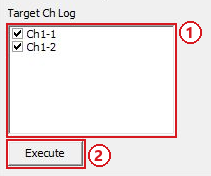
Figure 1. Ch Mixing controls.
| No. | Item | Description |
|---|---|---|
| ① | Target Ch Log | Select channel logs to combine. Checked channels are included. |
| ② | Execute | Combines selected channel logs and displays them in the Analyze tab log list. |
Ch Mixing Procedure
- Open Ch Mixing on the Analyze tab Select “Analyze” at the top of Analyze Window and open “Ch Mixing” at the bottom. Before combining, if no analysis log exists, the log list is empty and Ch Mixing appears below.
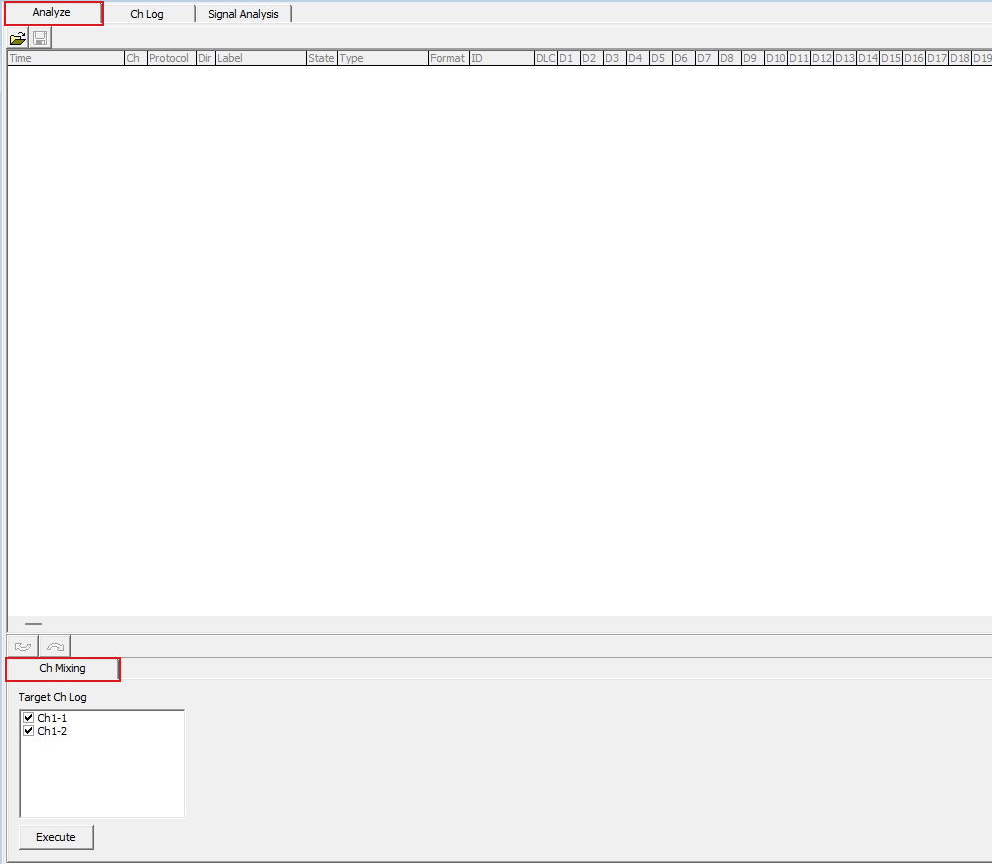
Figure 2. Analyze tab before combining logs.
- Select channels to combine
Check the channels to combine under Target Ch Log. Figure 3 selects both
Ch1-1andCh1-2.
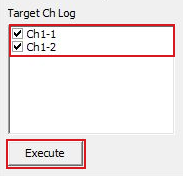
Figure 3. Selecting two channels to combine.
- Click Execute and check the results Clicking Execute in Figure 3 displays the combined log on the Analyze tab. Filtering, Log Search, and CAN GW Analyze tabs also appear below.
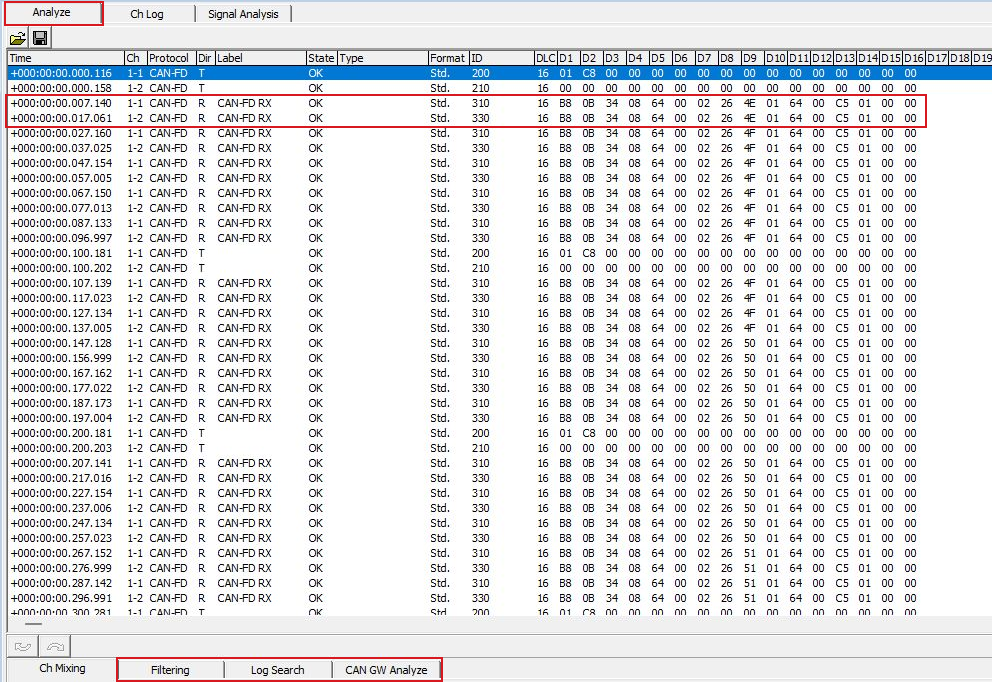
Figure 4. Result of combining logs from two channels.
The red outline in Figure 4 contains these two rows. IDs are hexadecimal.
| Time | Ch | Dir | ID |
|---|---|---|---|
| +000:00:00.007.140 | 1-1 | R | 310 |
| +000:00:00.017.061 | 1-2 | R | 330 |
Check source channels in Ch and ordering in Time. The first selected row is a transmitted frame, so use the two outlined rows when comparing received IDs.